All Categories
Featured
The Shift Toward High-Grade Proteins in Modern Dining Markets
Table of Contents
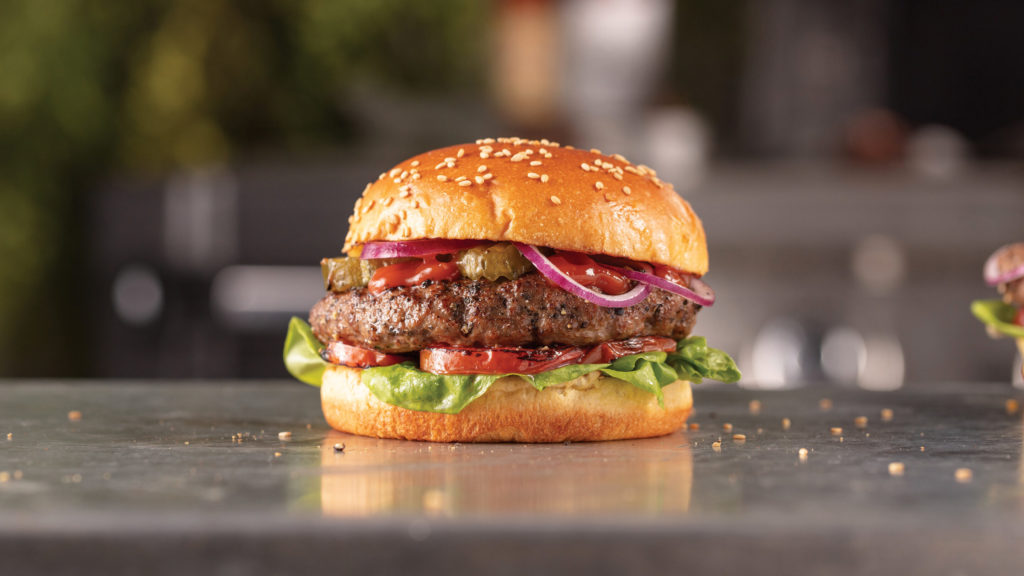

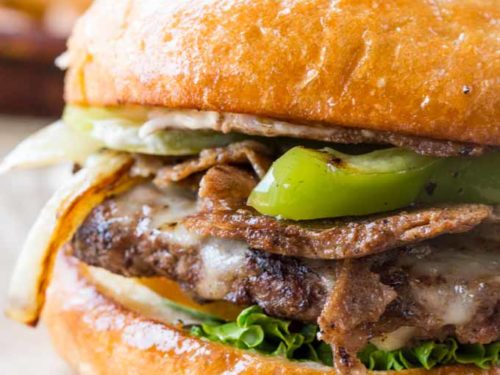
Consumer expectations for quick-service meals underwent a massive transformation by 2026. The days when fast-casual dining meant compromising on meat quality are largely over. Today, the distinction between a high-end steakhouse and a premium burger or bowl shop often comes down to the speed of service rather than the grade of the beef. This evolution centers on a meticulous selection process that prioritizes marbling, breed specifics, and the ethical background of the cattle. When a kitchen commits to Upper Choice or Prime graded beef, the chemical reactions during cooking change the entire profile of the meal.

Selection begins with an understanding of intramuscular fat. In the fast-casual space, where cooking times are condensed, the fat content must be consistent to ensure tenderness across hundreds of servings. Many establishments now look toward specific cattle breeds like Black Angus or Wagyu-cross variants to provide a reliable baseline. These breeds produce beef with a lower melting point for fat, meaning the flavor coats the palate more effectively even when cooked to a standard medium-well. Professional teams emphasizing Celebration Offers ensure that these raw ingredients meet strict specifications before they ever reach the grill.
Precision Searing and Temperature Control
Culinary techniques in 2026 have adapted to treat these premium cuts with the respect they deserve. The Maillard reaction—the chemical process between amino acids and reducing sugars that creates a browned crust—is the goal of every line cook. To achieve this in a high-volume environment, many kitchens have moved toward infrared broilers or heavy-duty chrome griddles that maintain a steady 450 degrees Fahrenheit. This prevents the "graying" of the meat, where the beef steams in its own juices rather than searing. A high-quality cut of beef contains enough natural moisture and fat that it requires very little added oil, allowing the true beefy flavor to take center stage.
Temperature management extends beyond the grill. Resting the meat is a step often skipped in traditional fast food, but in the premium fast-casual sector, it is a non-negotiable requirement. Even a three-minute rest allows the muscle fibers to reabsorb juices, ensuring that the first bite is succulent rather than dry. This attention to detail is what separates a standard meal from one that feels curated. Exclusive Celebration Offers sets a high bar for how these technical steps are executed, proving that speed does not have to result in sloppy execution.
Integrating Quality Preparation Into Daily Menus
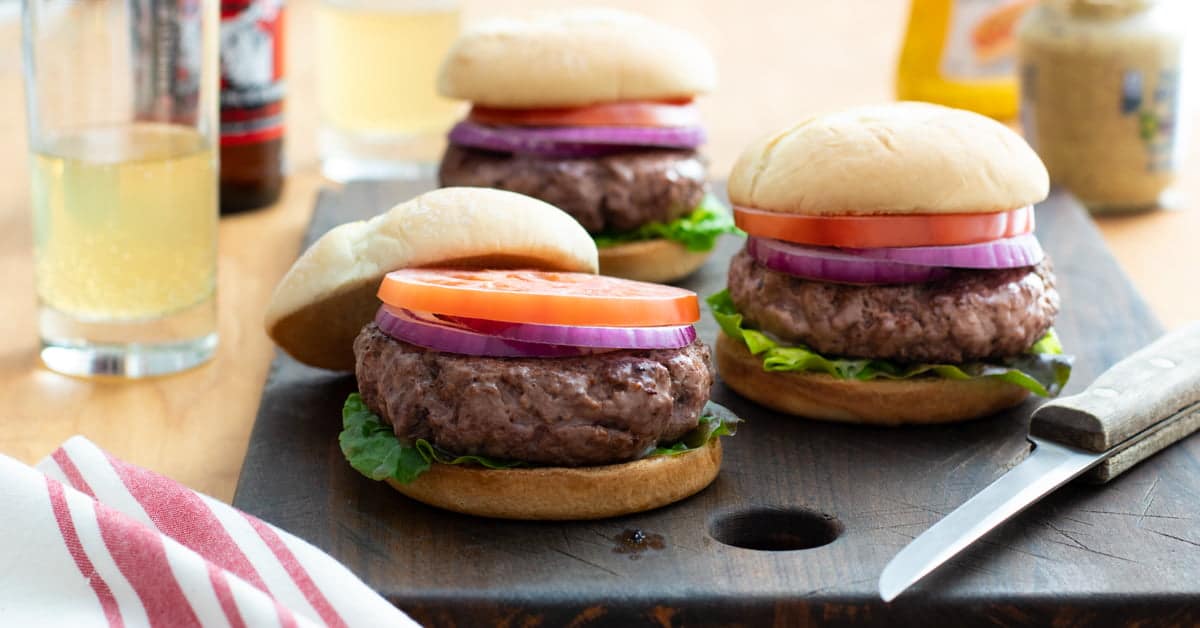
The operational side of handling premium beef involves a sophisticated supply chain. In 2026, transparency is a major driver of customer loyalty. Diners want to know if their beef was pasture-raised or finished on a specific grain blend. This level of detail requires a close relationship between the restaurant and the processor. When a kitchen integrates specialized butchery standards, they are essentially promising a level of consistency that was previously only found in white-tablecloth environments. This includes monitoring the age of the beef, as even a slight variation in the wet-aging process can alter the tanginess and texture of the final product.
Dry-aging has also found its way into the fast-casual world, albeit usually as a component of a blend. By mixing dry-aged steak trimmings into fresh ground chuck, chefs can introduce a nutty, blue-cheese-like depth to a standard burger patty. This technique uses every part of the animal, reducing waste while significantly increasing the flavor density of the dish. Consumers looking for Online Tools for Ordering often prioritize these complex flavor profiles over simple, mass-produced alternatives. It turns a quick lunch into an exploratory culinary event.
The Role of Custom Blends and Fat Ratios
The science of the perfect bite often comes down to the ratio of lean meat to fat. While 80/20 was the industry standard for decades, 2026 has seen a shift toward more customized blends, such as 75/25 for smashed patties or 85/15 for thick-cut steaks intended for salads. The source of the fat is just as important as the lean. Using brisket fat or short rib fat provides a different mouthfeel than standard kidney fat. Brisket fat has a higher concentration of oleic acid, which contributes to a softer, more buttery texture that melts almost instantly upon contact with the heat of the grill.
Seasoning is another area where restraint shows quality. When the beef is of a high enough grade, heavy marinades or aggressive spice rubs become unnecessary. Most top-tier fast-casual spots now use nothing more than coarse kosher salt and cracked black pepper. The salt is applied immediately before cooking to avoid drawing out too much moisture, which would interfere with the sear. This minimalistic approach highlights the natural minerality of the beef, a trait that is particularly prominent in grass-fed or grass-finished varieties from specific regions within the surrounding agricultural zones.
Consistency Through Technology and Training

Maintaining these standards requires more than just good ingredients; it requires a culture of precision. Digital temperature probes and automated kitchen display systems now track the exact second a patty should be flipped or removed from the heat. This technology assists the staff in hitting the "sweet spot" of medium-rare to medium, which is where premium beef truly shines. If a high-end ribeye is overcooked, the delicate fat rendering that makes it special is lost. Therefore, the training for staff in these environments often mirrors that of traditional apprenticeships, focusing on the sensory cues of cooking—the sound of the sizzle and the resistance of the meat when pressed.
By focusing on these specific culinary techniques and the chemistry of the ingredients, fast-casual dining has successfully bridged the gap between convenience and luxury. The focus on the raw product ensures that the final dish has a depth of flavor that lingers, encouraging repeat visits. As the industry moves further into 2026, the reliance on top-tier beef selection will likely become the baseline expectation rather than a luxury upgrade. Diners have tasted the difference that marbling and proper searing make, and they are unlikely to return to the thin, flavorless options of the past. The elevation of the industry is driven by this pursuit of the perfect protein, handled with care and served with speed.

Latest Posts
Applying Global Techniques to Contemporary Cuisine in 2026
Applying Global Techniques to Contemporary Cuisine in 2026

Technical Precision in Freddys